Research theme: Synthetic biology of microbial cells
The research focuses on engineering biological systems to create sustainable, high-performance microbial production platforms.
The Synthetic Biology research theme brings together Synthetic Biology and Molecular and Metabolic Engineering research groups. At its core, the team focuses on understanding and reprogramming microbial systems for efficient energy and carbon utilization. The group develops synthetic biology tools and applies quantitative modelling to create robust microbial platforms that convert lignin, industrial side-streams, and CO₂ into high-value products such as microbial oils, extracellular polymers, functional hydrocarbons, bioplastic monomers, and phytochemicals.
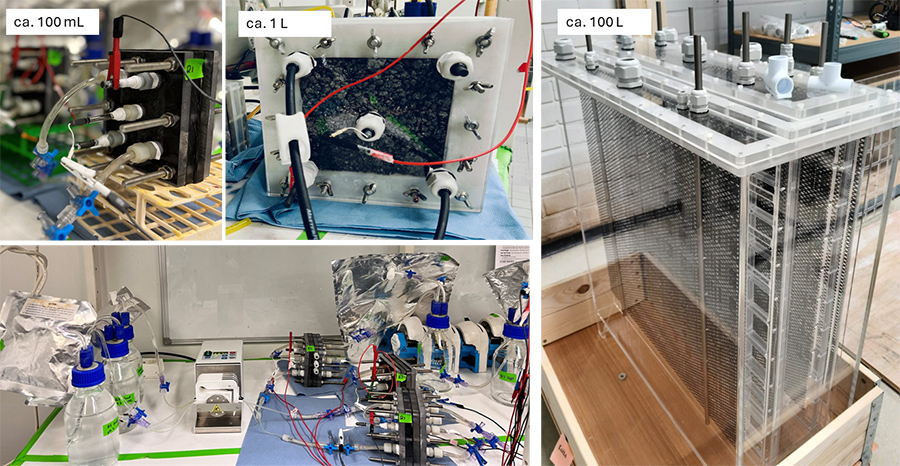
Microbial Electrochemical Technologies research group aims at developing processes for, e.g., nutrient recovery with (bio-)electrochemical methods, conversion of carbon dioxide into short chain fatty acids or methane with microbial electrosynthesis, and to steer fermentation of organics towards higher value compounds. The group focuses on reactor development, process optimization and on integration of the processes to existing infrastructures, for example anaerobic digestion.
Research infrastucture
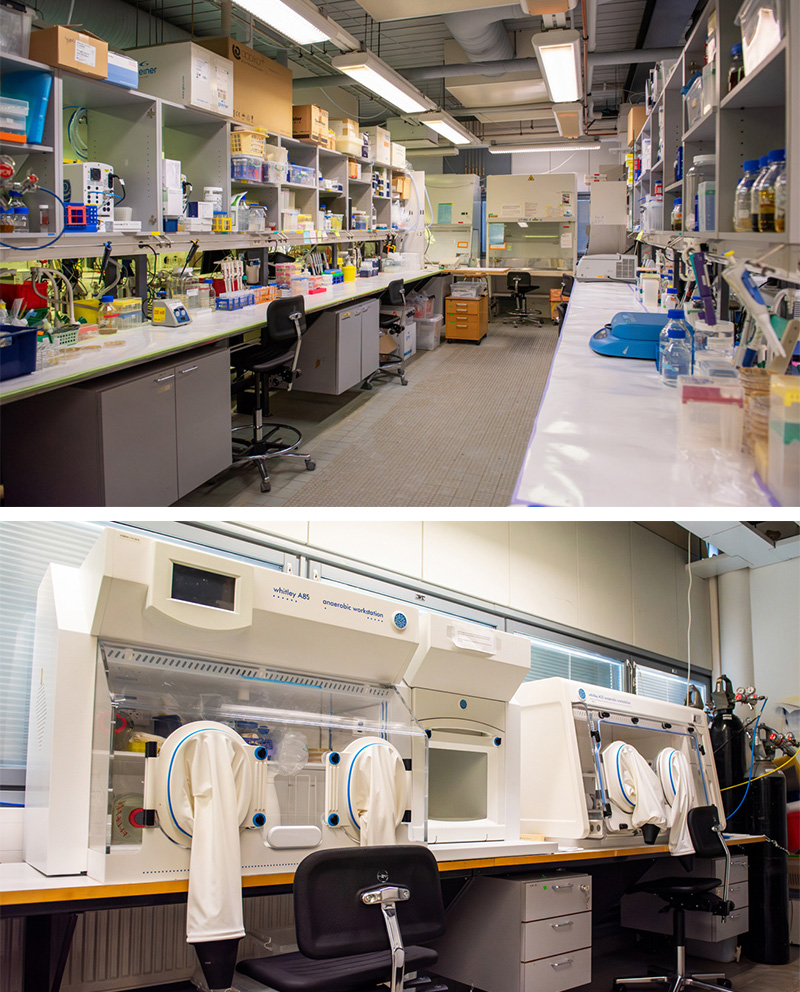
Microbiology laboratories
In the microbiology laboratory, we have bioreactors (Sartorius, Applikon), incubators and shakers for microbial cultivations, laminar flow hoods and centrifuges. Our primary microbial workhorse is the soil bacterium Acinetobacter baylyi ADP1, a versatile organism able to metabolize a wide range of substrates, including plastic monomers, organic acids, and lignin-derived molecules. A key feature of ADP1 is its highly efficient natural transformation and recombination system, which enables rapid and precise genome engineering. Enhanced through synthetic biology, it enables waste valorization and contributes to a sustainable circular economy.
Benchtop bioreactors
Benchtop bioreactors enable controlled bioprocesses for producing customized compounds with engineered microbes.
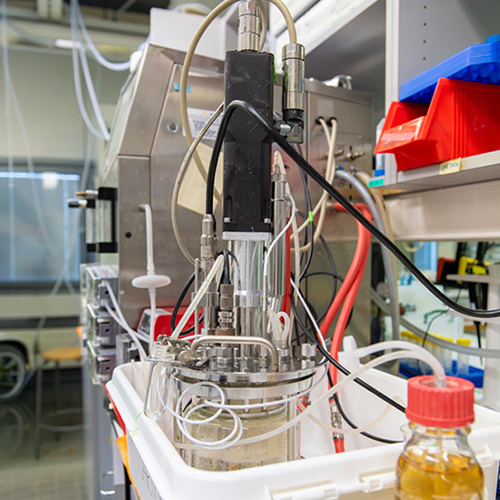
Sartorius Biostat B bioreactor
This twin bioreactor system has a total volume of 1 L per vessel, with a working volume of 500 mL, and enables parallel cultivations. Parameters such as dissolved oxygen, pH, and optical density can be monitored during the process.
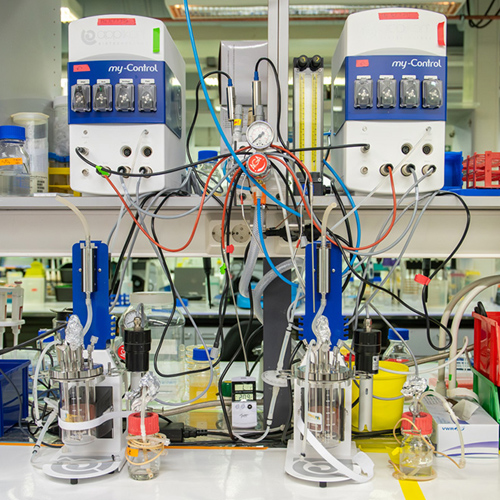
Applikon MiniBio bioreactors
With these small-scale bioreactors, cultivations up to 200 ml can be carried out. Parameters such as dissolved oxygen and pH can be monitored during cultivation.
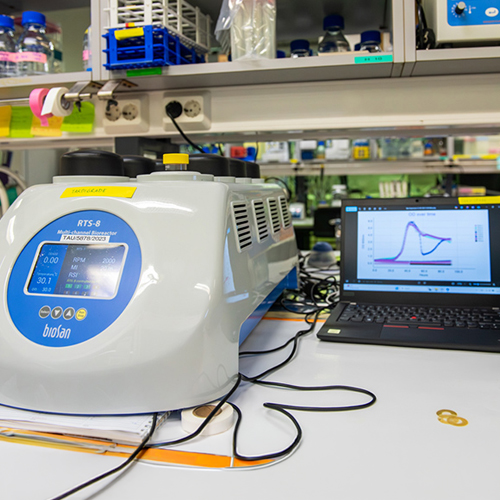
RTS-8 Multichannel bioreactor
The multichannel minibioreactor enables automated cell growth kinetics in real time by near-infrared optical system. It also allows cultivation of anaerobic microbes.
Molecular biology laboratory
Most of the engineering work of microbial cell factories is done at DNA level by synthetic biology tools. In our molecular biology laboratory, we routinely use PCR thermocyclers, spectrophotometers, gel electrophoresis systems, an imaging station, multimode microplate readers, a pipetting robot, quantitative PCR, and a portable nanopore sequencing device (MinION).
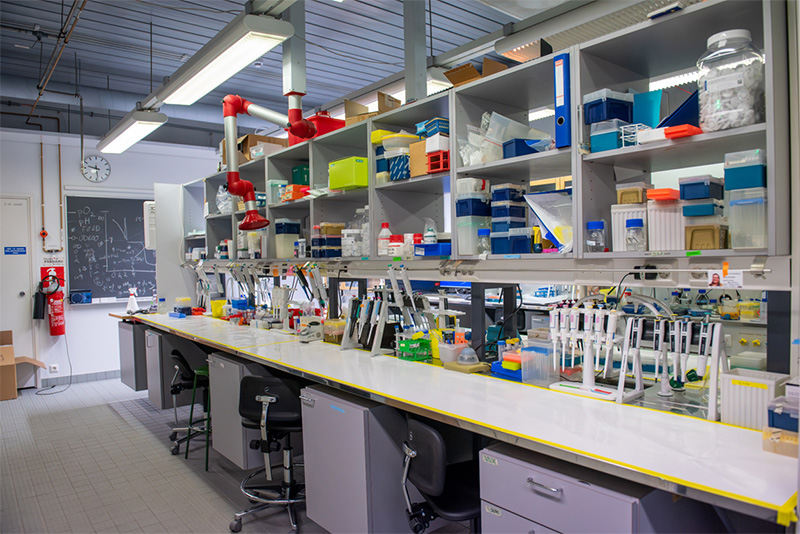
MinION Nanopore DNA/RNA sequencer is a small, portable sequencing device from Oxford Nanopore Technologies. Our team typically uses DNA/RNA sequencing and analyzing the whole bacterial genome and RNA transcripts to understand for example adaptive laboratory evolution -derived mutations and gene expression patterns under different conditions.
MinION is part of Bio and Circular Economy infrastructure (BIC-FIRI) -project. Funded by the European Union – NextGenerationEU.
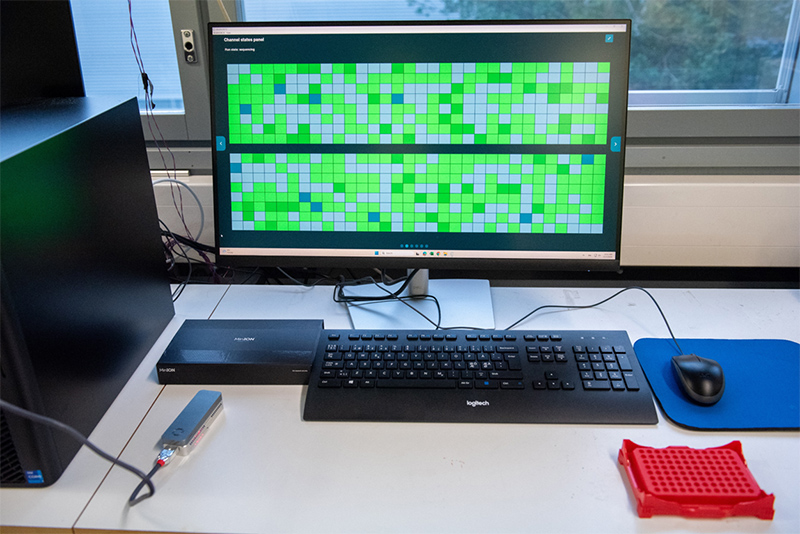
Imaging and High-Throughput platforms
Platform to capture fluorescence and chemiluminescence signals from agar plates and gels.
The imaging station Vilber NEWTON 7.0 FT500 can be used for bioluminescence and fluorescence imaging of in vivo, ex vivo and in vitro applications. We routinely use the imaging station to visualize biological processes in microbial cells. It is employed, for example, to screen microbial cell factories and to monitor whole-cell biosensor applications.
Vilber NEWTON 7.0 FT500 is part of Bio and Circular Economy infrastructure (BIC-FIRI) -project. Funded by the European Union – NextGenerationEU.
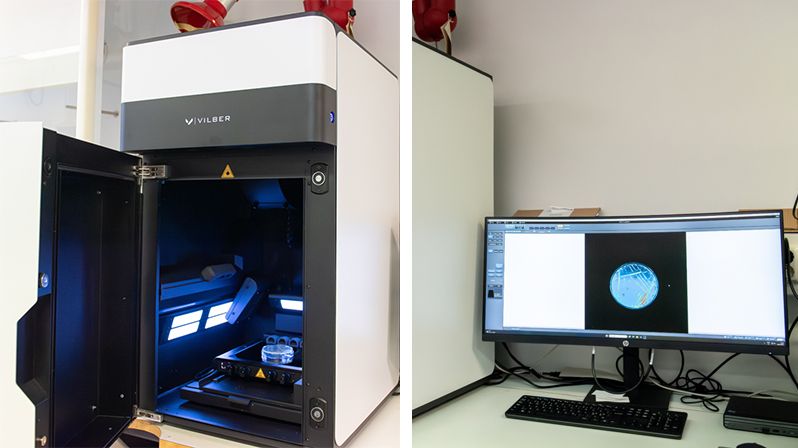
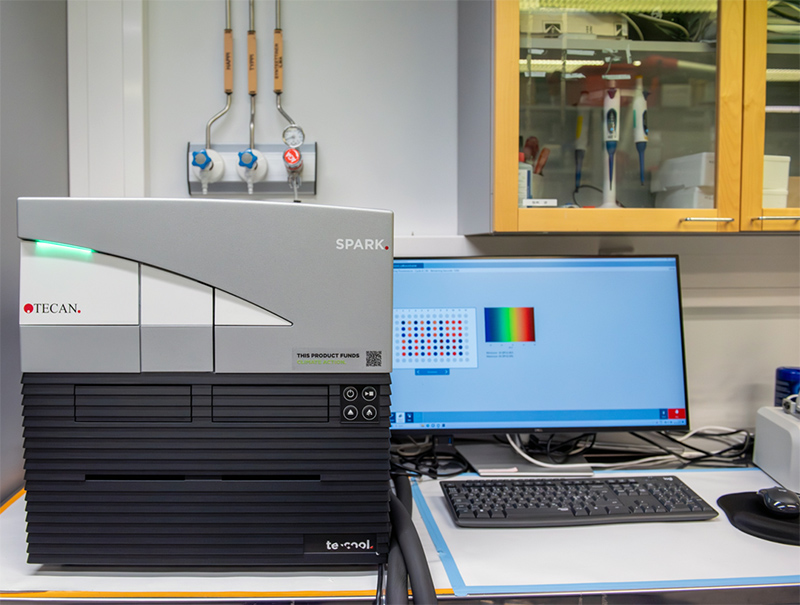
Tecan SPARK multimode microplate reader is used for absorbance, fluorescence and luminescence measurements. Tecan enables controlled cultivation conditions for microbial cells and our research groups utilize the instrument especially in our strain development platform.
Analytical equipment
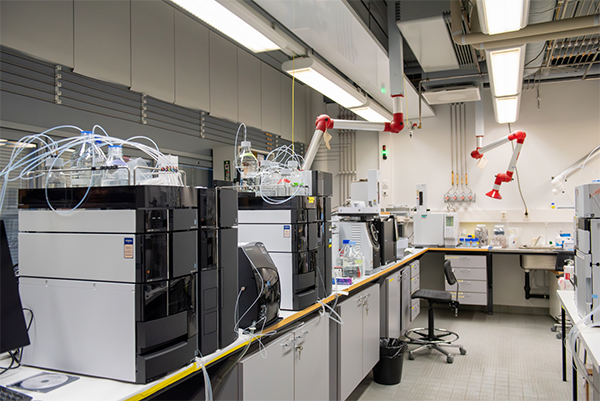
Our team has access to various analytical equipment through common research facilities within the university. With analytical methods and combination of analytical technologies (chromatography, MS, NMR) known components of biological mixtures are monitored and unknown products and metabolites produced by engineered bacteria are identified. Bioactivity of bacterial strains can be studied with chemically synthesized model substances and analytical standards.
Microbial electrochemical technologies, reactors at different scale