Research theme 1. Synthetic biology & bio(hybrid)materials
Integrating synthetic biology, protein engineering, and biohybrid material design to create functional biological and life-inspired materials ranging from engineered living systems to programmable DNA and protein-based architectures.
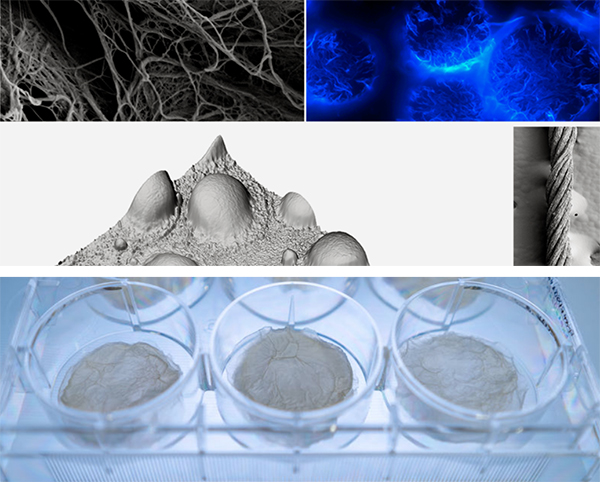
The Biomolecular Materials group investigates how natural design principles can inspire the production of sustainable high-performance, materials. The research focuses on engineering genetic circuits and chemical reaction networks that create dynamic patterns and structures in biosynthetic materials. The group also builds “living factories” by developing new cellular chemistries and carbon-efficient microbial production systems that offer sustainable alternatives to petrochemical processes.
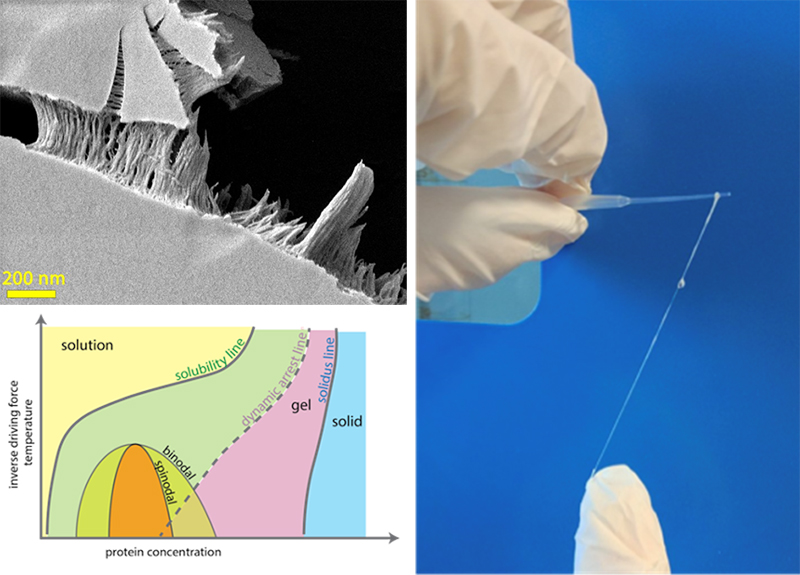
The Cellular Engineering group develops enzymatic and chemical strategies for post-translational protein modifications to produce tailored structural proteins like silk and collagen. By enabling microbial production of modified proteins with defined assembly properties, the group creates sustainable, high-performance biomaterials and advances bio-based alternatives to conventional plastic- and animal-derived materials.
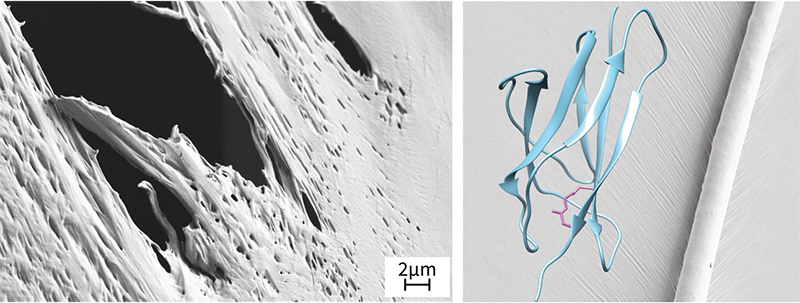
The Bioprocess Engineering group develops sustainable microbial production platforms with a strong emphasis on bacterial nanocellulose and other bio-based materials. A key focus is creation of synthetic biology tools that expand the functional capabilities of industrial microbes, enabling the design of smart living materials and more efficient, scalable bioprocesses for future biotechnology applications.
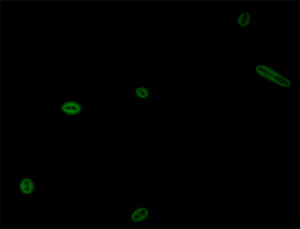
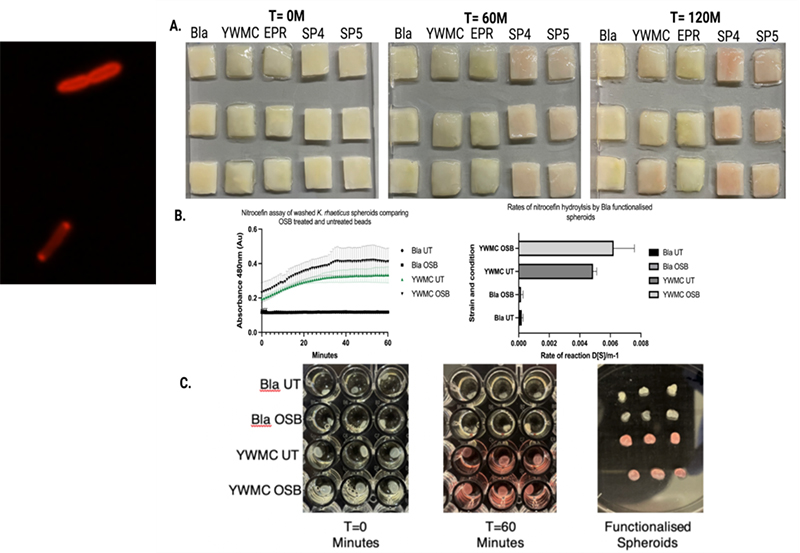
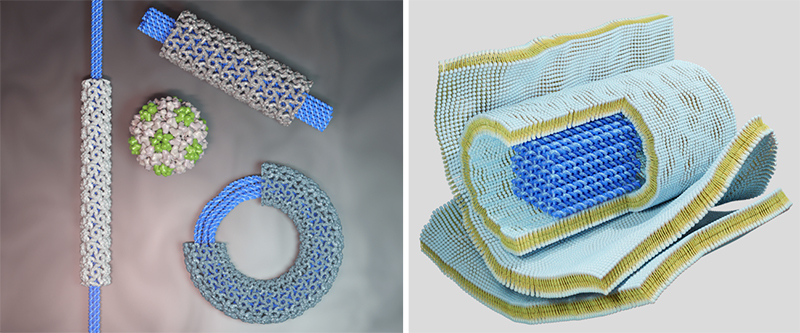
The Biohybrid Materials group integrates biological and synthetic building blocks, such as DNA nanostructures, protein cages, viruses, and polymers, to create functional materials with precisely engineered architectures. By combining advanced molecular design with state-of-the-art characterization methods, the group develops life-inspired materials that exhibit programmable assembly, responsiveness, and novel nanoscale functionalities.
Research theme 2. Protein engineering
Advancing enzyme and protein engineering to develop tailored biocatalysts and structural proteins that convert renewable biomass into high-value products and enable sustainable biomanufacturing.
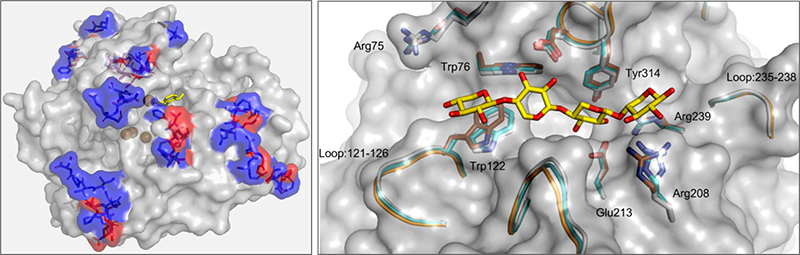
The Enzyme Technology group studies fungal enzymes and metabolic pathways to develop sustainable biocatalysts for biomass conversion and bio-based product synthesis. By combining functional genomics, recombinant protein production, and data-driven approaches such as machine learning and protein modelling, the group discovers and engineer new enzymes and fungal cell factories with enhanced catalytic and metabolic capabilities.
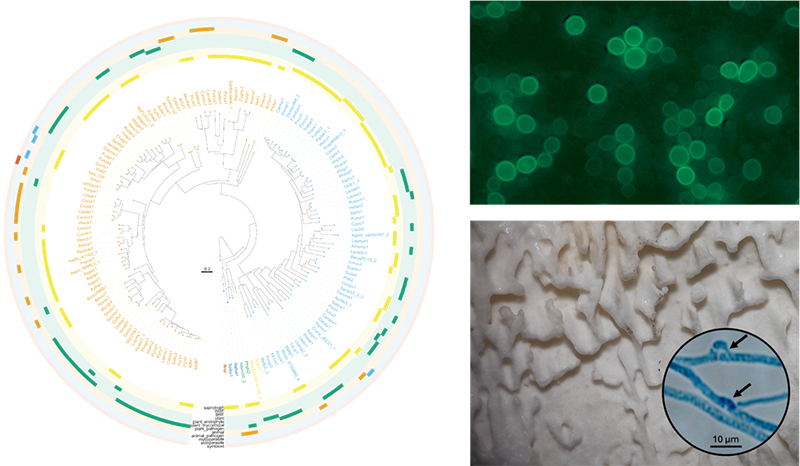
The Protein Technology group focuses on discovering and engineering carbohydrate-active enzymes and accessory proteins that modify and assemble lignocellulosic biopolymers. Their work develops biocatalysts that upgrade renewable plant resources into high-value, sustainable material components through precise, tunable, and environmentally friendly enzymatic transformations.
Research theme 3. Microbial systems and Industrial biotechnology
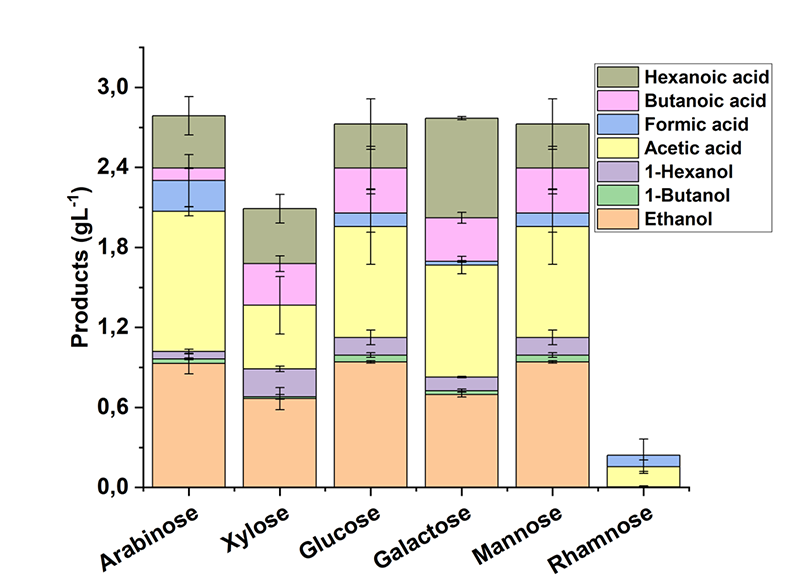
The Bioprocess Engineering group develops sustainable biomanufacturing strategies to produce specialty chemicals from renewable feedstocks and industrial flue gases. Their work integrates process scale-up with advanced multi-analytical frameworks for biomass characterization, enabling efficient and robust microbial production platforms for future circular bioeconomy applications.
The Microbial Physiology group uses systems biology, computational modelling, and quantitative physiology to understand how microbes regulate metabolism, stress responses, and resource allocation. These insights enable the rational design of more stable and high-performing microbial cell factories for modern biomanufacturing.
The Biochemistry group develops biotechnological and enzymatic pathways for CO2 valorization.
Overall, CO2 to consumer projects is challenging. Our solution is to efficiently convert CO2 to short-chain alkanes that are currently already used by the industry. The final product (e.g. energy-dense fuel or chemicals such as poylpropylene) will then be synthesized via established routes.
The group uses methanogenic archaea as the host organisms. It carries out both, in vitro enzyme systems and in vivo metabolic engineering.
In parallel of being application-oriented, the biochemistry group uncovers reaction mechanisms behind CO₂ activation and elucidates novel metabolic pathways that enable the anaerobic oxidation of short-chain alkanes.
Research infrastructure
Direct link to the virtual lab tour.
https://lab.aalto.fi/biofoundry/360/?media-index=2&hct=begin&sct=virtual
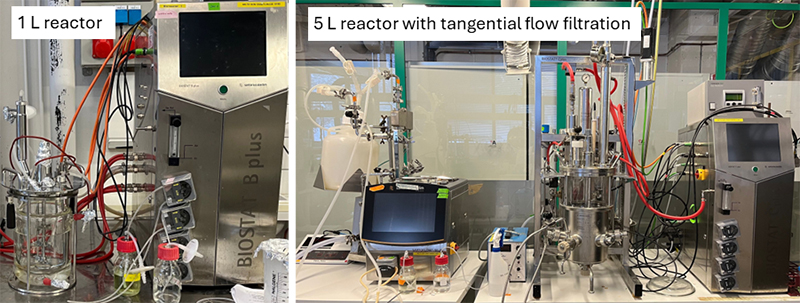
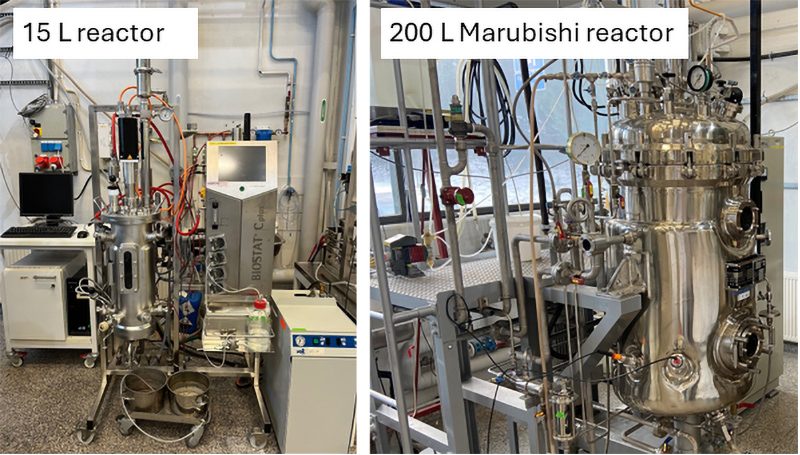
Bioreactors
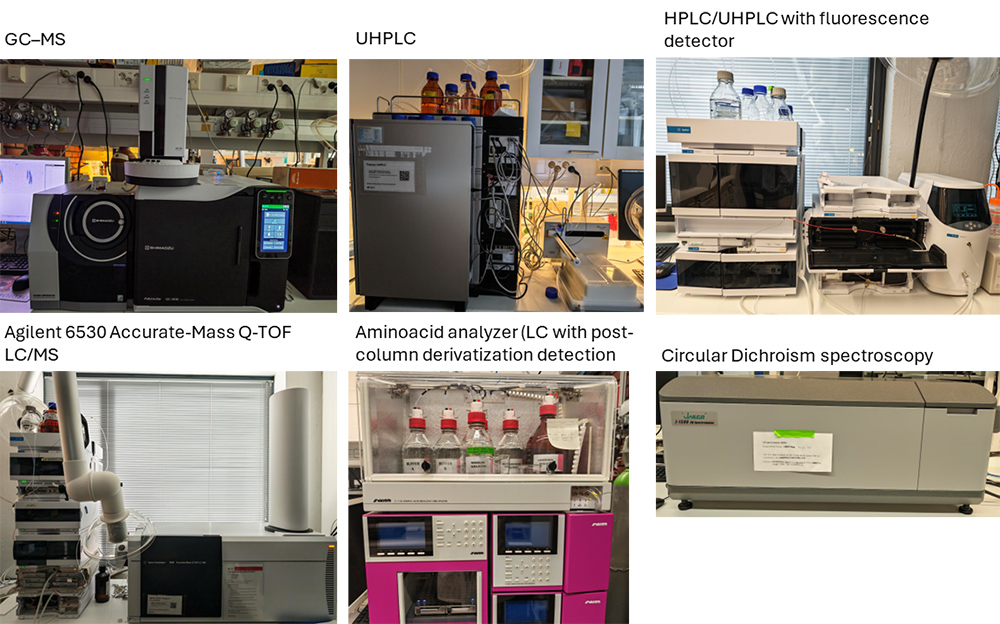
Spectroscopic and chromatographic analytics
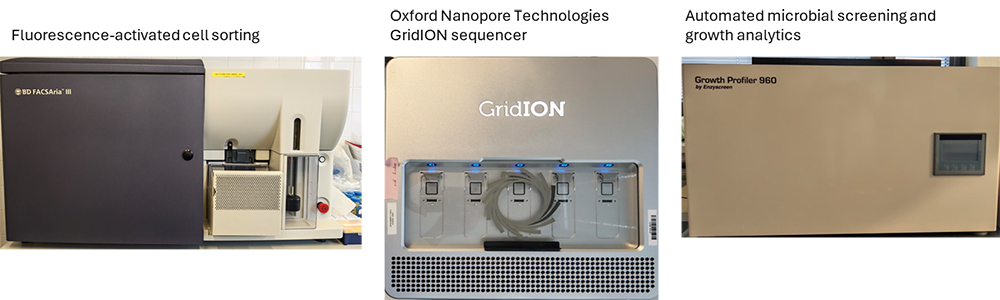
High-throughput phenotyping and screening
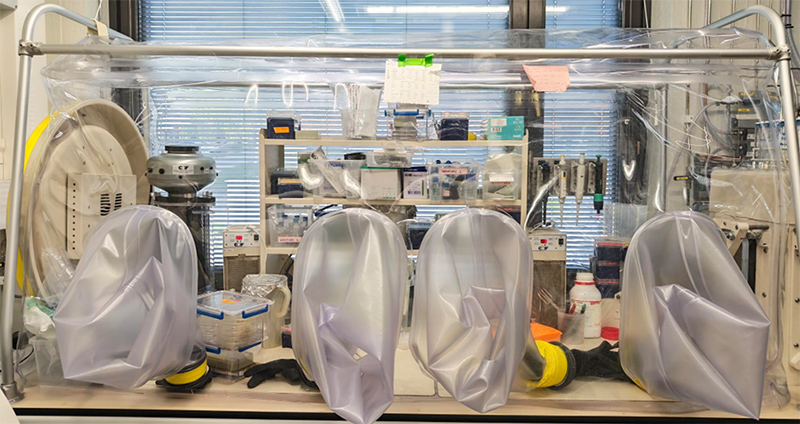
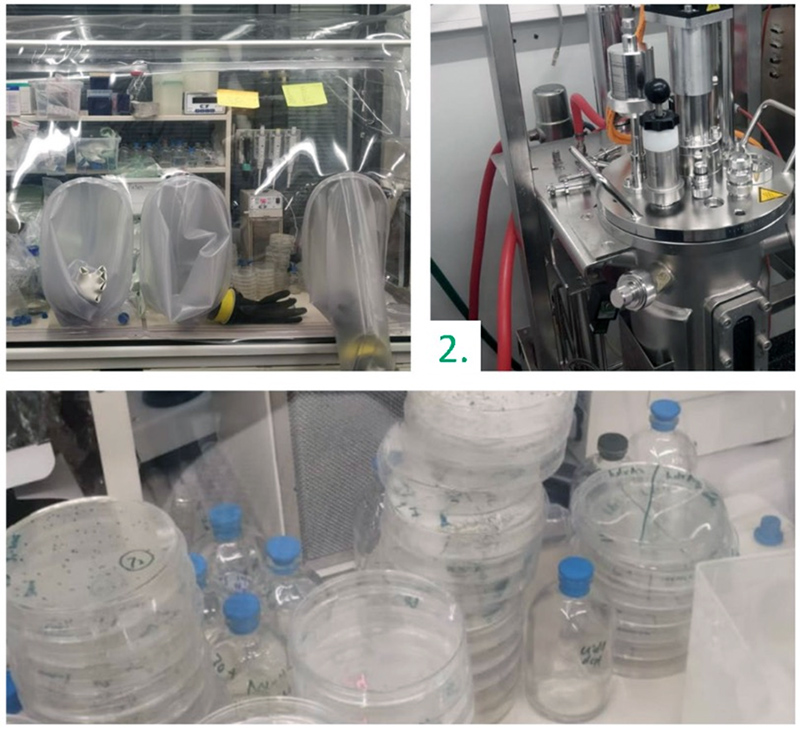
Anaerobic chamber